


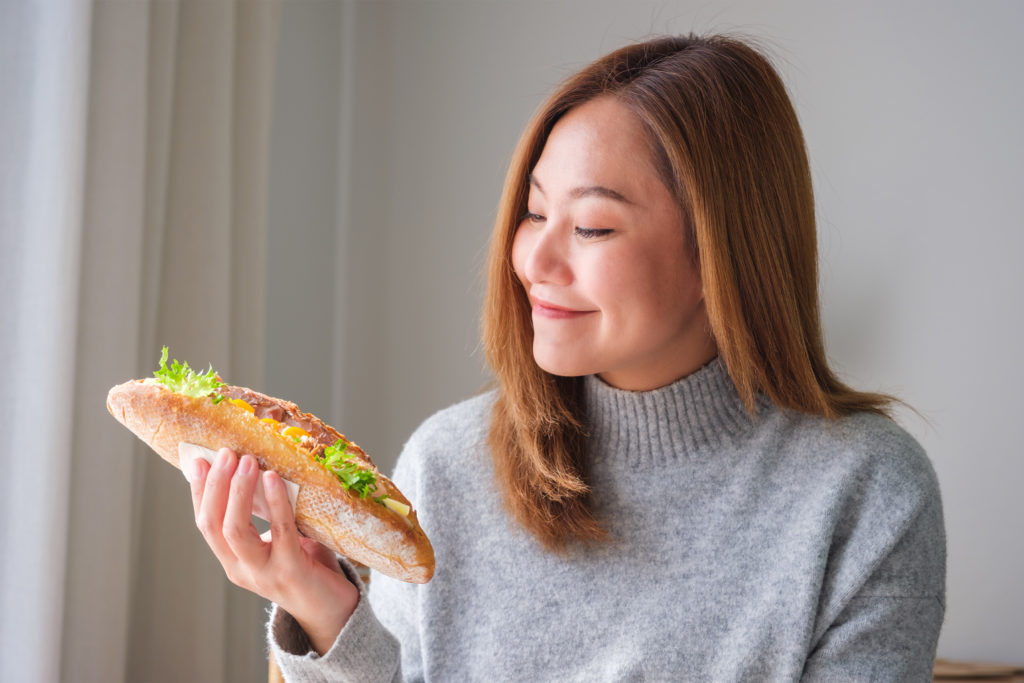
A crisp, light baguette that unleashes a heavenly explosion of flavours with every bite… Inside, refreshing cilantro, spicy chili, sweet and sour pickles, and of course… succulent, perfectly prepared meat. Yes, this is bánh mì! An icon of Vietnamese street food, a culinary treasure that has captured the hearts and palates of people worldwide.
But what if a new, surprising hero appeared in this tradition-rich story—high-quality pork from Europe? We guarantee this combination will create a tale you won’t forget!
The Birth of a Legend: How a French Baguette Became… Vietnamese
What would the story of Vietnam taste like? For us, it would be the taste of bánh mì!
It’s a tale of remarkable transformation that took place on the vibrant streets of Saigon. It all began when French colonists brought their traditional wheat baguette with them. At the time, it was a symbol of status, a luxury for the few, and something entirely foreign to the local culture. It was also heavier and denser than the one we know today.
But the Vietnamese, with their innate ingenuity and pragmatism, decided to tame this symbol of luxury. They began experimenting, adding rice flour to the dough—an ingredient far cheaper and more readily available than wheat. The result? The baguette became lighter, airier, with a wonderfully crisp crust that was better suited to the country’s humid climate. Little did they know, they had just created the canvas for one of the world’s greatest street food dishes.
The real revolution came in the 1950s, after the French had left Vietnam. In bustling Saigon, someone had a brilliantly simple idea: slice open this new, lighter baguette and fill it with the flavours of Vietnam. This is when the bánh mì we know and love was born. Inside went the creamy, French-derived pâté (pa-tê in Vietnamese), but right alongside it were local treasures: sweet and sour pickled carrots and daikon (đồ chua), fresh, aromatic herbs like cilantro, crunchy cucumber, and slices of hot chili. It was often completed with Vietnamese cold cuts (thịt nguội) and a dash of soy sauce. It’s a story of pride and adaptation, of how to take an element of a foreign culture and transform it into an icon, proudly sold in restaurants and on city streets from Hanoi to New York.
A New Chapter: Bánh Mì and European Pork!
The history of bánh mì is an exciting and inspiring story of cultural fusion. So, what if we added another fascinating chapter to it? High-quality European pork, with its tenderness and depth of flavour, is the perfect partner for the freshness and spice of this Vietnamese sandwich. Here are two ideas for breathing a new, European soul into this classic.
Slow-Roasted, Asian-Style Pulled Pork Shoulder
The first proposal is a tribute to patience and depth of flavour: slow-roasted, pulled European pork shoulder. The secret to its incredible texture lies in hours of low-temperature roasting. This is a process where the tough collagen, naturally present in the meat, slowly transforms into delicate gelatin. The effect? The meat becomes incredibly juicy and falls apart into tender, individual fibres at the slightest touch of a fork. Before it goes into the oven, we coat it in a “hug” of spices where East meets West: smoked paprika for a smoky aroma, a pinch of five-spice for aromatic depth, garlic, and ginger for a bit of a kick. After roasting, a thick, sweet-and-savory hoisin-based sauce brings it all together, its rich umami becoming a powerful foundation for the crisp, sour pickles and fresh herbs. This isn’t just meat—it’s the essence of flavour that creates a dream balance between richness and lightness in the bánh mì.
Pork Belly with Crispy, Chicharrón-Like Crackling
The second proposal is a game of contrasts and the pure, addictive pleasure of the crunch. We’re talking about slow-roasted European pork belly with perfectly crispy skin. The key to success here is a two-stage cooking process. First, a long, slow roast at a lower temperature, which renders the excess fat and makes the meat layer buttery-soft. Then, at the very end, a short, intense blast of maximum heat (e.g., in a pan), which causes the scored and salted skin to pop, creating a light, airy, and crackling crust. Magic happens in the sandwich: the salty, crunchy texture of the skin meets the melt-in-your-mouth juiciness of the meat. This taste is so intense and rich that it demands a counterpoint. And it gets one—in the form of sharp, sour pickles and fresh chili, which cleanse the palate with every bite and prepare you for more!
Now It’s Your Turn! Write Your Own Chapter in the Bánh Mì Story
As we’ve shown, the history of bánh mì is a fascinating tale of creativity, adaptation, and a constant dialogue between cultures. This is not a recipe set in stone, but an open invitation to experiment, a canvas on which anyone can paint their own culinary masterpiece! This sandwich is proof that tradition is most beautiful when it is alive and evolving.
The foundation of every great dish is an excellent, reliable ingredient. High-quality European pork, with its tenderness and richness of flavour, provides the perfect base for creating your own unforgettable versions of bánh mì. Its versatility allows you to play with texture and taste—from slow roasting that brings out depth to quick frying that guarantees crispiness.
It’s time to start your culinary journey! Whether you were inspired by the vision of juicy pulled pork or the crunch of perfectly roasted pork belly, on our website, you will find more inspiration and recipes to help you take the first step.
The world of flavours is open to you. Pick up a crispy baguette and start writing your story. Enjoy!